When we wrote to streamers this month, several of the replies asked the same thing, some politely and some not: is this made with AI? A few said no to Kloot on that alone. It was a fair question, and our own homepage had given them the reason to ask it. This post answers it once, in full, so there is one place to point to.
Who makes Kloot
I build Kloot, and I should say up front what I say in every post: I have never streamed. I started Kloot after reading a great deal of documentation and talking to people who stream for a living, and most of what is in the product came from those conversations rather than from my own nights live. That is a limit, and I would rather you knew it than discovered it.
What it means in practice is that Kloot leans on the people who use it. When a streamer tells us a key is in the wrong place or a word on the pricing page is misleading, that is the most useful thing we hear all week. The biggest change on this site this month, described below, happened because people replied to an email and told us plainly what looked wrong.
The one paragraph about AI
This is the paragraph on our FAQ page. It is the statement we point to whenever someone asks, and it is reproduced here word for word rather than rewritten, so the two can never drift apart.
Kloot's product, design and marketing media are made by people. Like most software teams we use AI coding assistants during development; every change is reviewed and tested by a human. Kloot does not generate content, voices or art, and never uses your stream or chat data to train AI models.— Kloot FAQ, How Kloot is built
A few words on what that covers, without adding to it. The product is the panel, the deck and the overlay you put in OBS. Nothing in it generates an image, a voice line or a graphic for you: you write your own lower thirds and screens, and the sound library is a set of recorded sounds you press, including a small voice pack Kloot recorded itself. The last sentence is easy for us to keep, because Kloot does not read your chat at all. Giveaways and polls run on a QR code and a join code instead.
Notice also what the paragraph does not say. It does not say "no AI was used", and we will not say that anywhere, because it would not be true. We use coding assistants the way most software teams now do, and a person decides what ships.
What we changed on the site
Until this month, the homepage and the use-case pages played short clips of games and streams with Kloot on top. Those clips were generated, and the streamers who spotted it were right to say so. It undercut the one job those pages have, which is to show you what Kloot really looks like on a stream.
They have been replaced. The scenes behind the demos are now stage scenes drawn in code: illustrated game and desk scenes built from shapes and colour, rendered from that code, with the real Kloot overlay playing on top of them. The pictures on the use-case pages are either a frame of one of those scenes or a capture of the real product, such as the panel or the deck. Nobody is meant to mistake a scene for real gameplay; they are drawings, and they look like drawings.
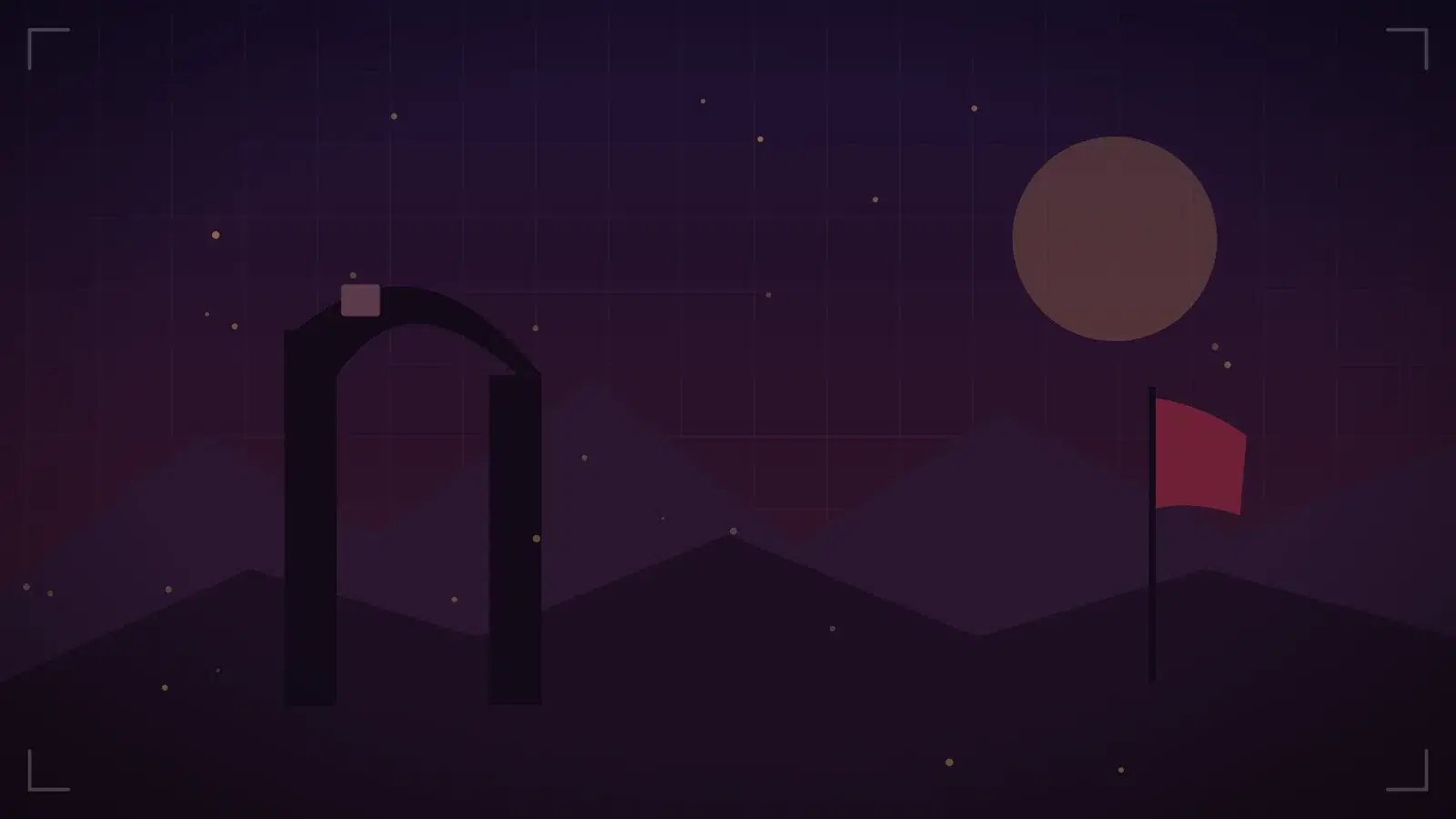
We thought about using recorded gameplay instead, and it has its own problem. Footage of someone else’s game, or someone else’s stream, is not ours to put on a sales page, and footage we recorded ourselves would show a person who has never streamed pretending to. A drawing that is plainly a drawing, with the real overlay running on top, shows the one thing those pages have to show, which is what Kloot puts on your screen when you press a key, and it does not pretend to be anything else.
A rule enforces this, not just a good intention. Every build of the site runs a check that refuses any page pointing at a generated video file, and keeps the removed images on a list by fingerprint, so one cannot come back under a new name. Every image in the use-case folders has to say how it was made before the build will pass.
Drawings are a stand-in, and we know it. The better proof is real streams, so we are asking streamers who use Kloot whether we may show short clips of theirs, credited and removable whenever they ask. That page does not exist yet. When it does, it will only show clips people agreed to.
Why say any of this
Because Kloot goes on your stream, in front of your audience, and you are trusting it with that. You should know what it is made of before you press anything. A tool that is vague about its own media gives you a reason to wonder what else it is vague about, and we would rather not give you that reason.
This is also not a comment on anyone else. Other tools make their own choices about AI, some of them good ones for their products, and this post is not about them. It is a description of ours, so that when someone asks, the answer is short, true and in one place.
What you can check for yourself
- Read the paragraph where it lives, on the FAQ page, and check it against the quote above.
- Open the Kloot test link in OBS with no account, and watch the real overlay run in your own scene, for fifteen minutes.
- Press the keys on the homepage demo and compare what happens with the same tool in the panel once you sign up.
- Reply to any email from us and ask. A person reads it.